








Fleas and ticks are more than just annoying pests—they can cause serious health problems for your dog, from skin infections to disease transmission. If you're a dog owner, protecting your pet from these parasites is essential. The good news is that there are several proven methods to keep your furry friend safe and comfortable.
Understanding the Problem
Fleas multiply at an alarming rate. A single flea can lay hundreds of eggs, and within weeks, your home can become infested. Ticks, meanwhile, are known carriers of Lyme disease, Rocky Mountain spotted fever, and other serious conditions. Prevention is far more effective—and affordable—than dealing with an infestation or a sick dog.
Topical Treatments
Spot-on treatments are among the most popular flea and tick prevention methods. Applied directly to your dog's skin, usually between the shoulder blades, these monthly or seasonal treatments work by distributing protective oils across your pet's coat. Many veterinarians recommend this approach because it's easy to apply and highly effective. Always follow your vet's instructions for application to ensure safety and optimal results.
Oral Medications
Prescription tablets and chews have gained popularity in recent years. These systemic treatments work from the inside out, killing fleas and ticks on contact or preventing their reproduction. Some formulations last for several months, making them convenient for busy pet owners. Your veterinarian can recommend options based on your dog's age, weight, and overall health.
Flea and Tick Collars
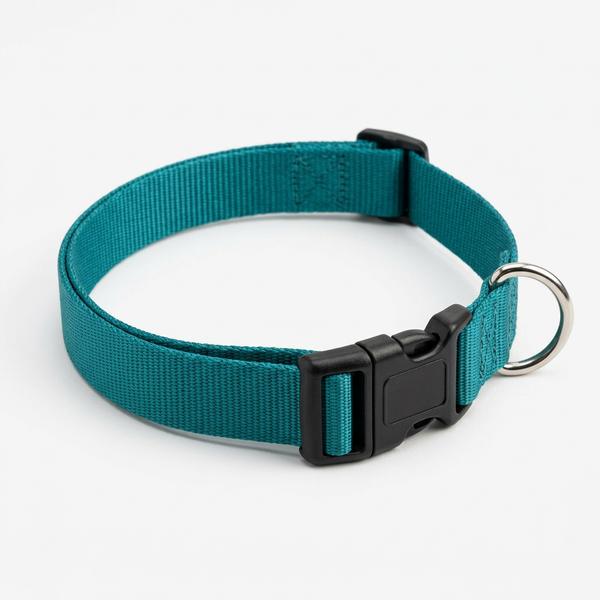
Modern collars have come a long way from older versions. New technology releases active ingredients gradually, providing protection for several months. They're particularly useful for dogs that spend a lot of time outdoors or have sensitive skin that may react to other treatments.
Environmental Control
Treating your dog is only part of the solution. Fleas and ticks thrive in your home and yard. Regular vacuuming, washing your dog's bedding in hot water weekly, and maintaining your lawn can significantly reduce parasite populations. Consider treating outdoor areas where your dog spends time, especially during warm months.
Natural and Home Remedies
While some natural approaches like essential oils or diatomaceous earth are discussed online, their effectiveness is limited compared to veterinary-approved treatments. If you prefer a natural approach, discuss options with your vet to ensure your dog gets adequate protection.
Regular Monitoring
Check your dog's skin regularly during peak flea and tick season. Run your fingers through their coat and look for tiny dark specks (flea dirt) or small insects. Early detection makes treatment easier. If you find a tick, remove it carefully with tweezers and clean the area with antiseptic.
When to See Your Vet
Your veterinarian is your best resource for choosing the right prevention method. They'll consider your dog's breed, age, lifestyle, and any existing health conditions. They can also recommend the ideal frequency of treatment and watch for any adverse reactions.
The key to successful flea and tick prevention is consistency. Starting treatment before warm weather arrives and maintaining it year-round—especially in warmer climates—is the most effective strategy. By taking a proactive approach, you'll keep your dog healthy, comfortable, and free from the complications that fleas and ticks can cause.


